
The mind game unraveling the psychology behind gambling behavior
The Allure of Gambling
Gambling has an irresistible appeal, drawing millions of individuals into its intricate web. The thrill of potentially winning large sums of money plays a pivotal role in attracting players. Each gamble comes with a rush of excitement, often leading participants to believe they are on the brink of a monumental victory. This elation can overshadow the potential risks, making it easy for individuals to engage in risky behaviors without fully comprehending the consequences. For those interested in enhancing their experience, https://21-casino.uk/bonus/ is an excellent starting point to explore various offers.
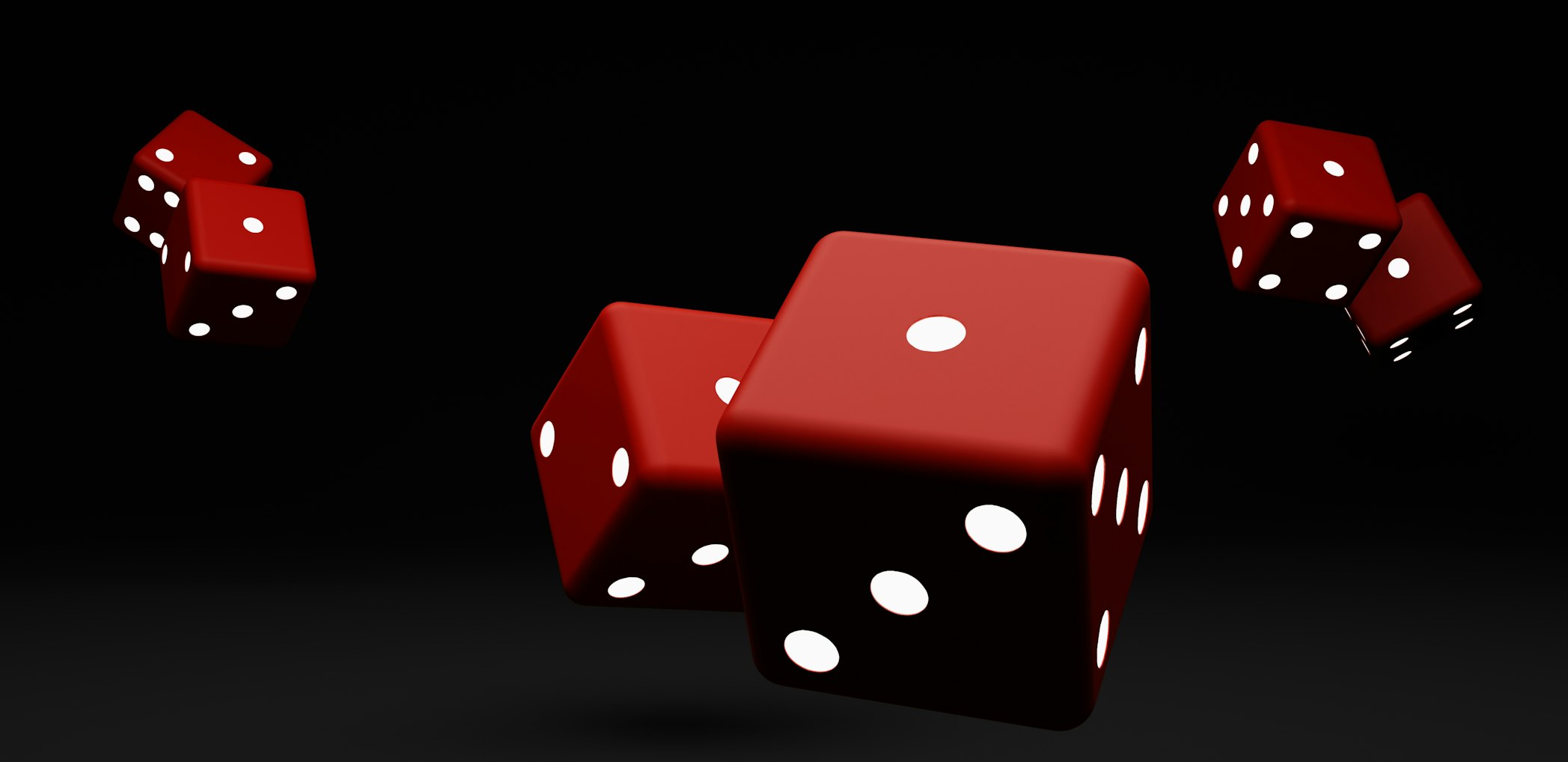
Additionally, the ambiance of a casino can heighten the sensory experience, with bright lights, captivating sounds, and enticing visuals creating an atmosphere that is almost intoxicating. Many players find themselves immersed in this environment, which reinforces their desire to continue gambling. The combination of sensory stimulation and the possibility of winning creates a unique psychological space that can be difficult to resist.
Furthermore, gambling can provide an escape from the stresses of daily life. For many, engaging in games of chance can be a way to unwind and temporarily forget their troubles. This coping mechanism can lead to increased gambling behavior, as individuals seek solace in the unpredictability of games, reinforcing the cycle of gambling as both an entertainment option and a method of emotional relief.
The Role of Luck and Skill
Understanding the balance between luck and skill is essential in analyzing gambling behavior. While many games of chance rely heavily on luck, others involve strategic decision-making and skill development. For example, poker combines elements of chance with psychological tactics and skillful play, which can make a significant difference in outcomes. Players often believe that their expertise can lead to success, thus fueling their motivation to engage in such games.
The perception of skill can also create a false sense of control among gamblers. When individuals win due to their decisions, they may attribute their success to their abilities rather than chance. This misconception can lead to overconfidence, prompting players to gamble more frequently, believing that their skill will ultimately lead to sustained success. In contrast, pure games of chance, such as slots, may evoke feelings of helplessness, potentially leading to different psychological responses.
This interplay between luck and skill can result in varied gambling behaviors. Those who thrive on skill-based games may develop a long-term interest, investing time in mastering strategies, while others who rely purely on luck may gamble sporadically, motivated by the sheer thrill of uncertainty. Understanding these distinctions is critical in grasping the broader psychological implications of gambling behavior.
Psychological Triggers and Motivations
Gambling behavior is often influenced by a range of psychological triggers and motivations. One major factor is the concept of reinforcement. When gamblers experience wins, the brain releases dopamine, a chemical associated with pleasure and reward. This biological response can create a feedback loop, encouraging individuals to seek out the thrill of gambling again, despite previous losses. As a result, players may find themselves returning to the casino or online platforms, hoping to replicate that euphoric experience.
Moreover, social factors play a significant role in gambling behavior. Many individuals gamble in groups, enhancing the social experience and creating a sense of camaraderie. This collective experience can amplify the excitement and contribute to a sense of belonging, further reinforcing the desire to engage in gambling activities. Friends or family members can influence an individual’s participation, highlighting the importance of social dynamics in shaping gambling habits.
Lastly, the prevalence of marketing strategies in the gambling industry cannot be overlooked. Promotions, bonuses, and advertisements are designed to attract new players and retain existing ones. These tactics often play on psychological vulnerabilities, presenting gambling as an exciting escape or a quick path to financial freedom. The power of suggestion can be strong, leading individuals to justify their gambling habits even when they may not be in their best interest.
The Consequences of Problem Gambling
While gambling can be a source of enjoyment for many, it can also lead to significant negative consequences for individuals who develop problematic behaviors. Compulsive gambling, classified as a behavioral addiction, can result in severe financial, emotional, and social repercussions. Individuals may experience mounting debts, strained relationships, and mental health issues, including anxiety and depression, as they grapple with the fallout of their gambling decisions.
Problem gambling often leads to a cycle of denial and escalation. As individuals face mounting losses, they may escalate their gambling in hopes of recouping their losses, convinced that their luck will change. This mindset can trap players in a vicious cycle, making it increasingly difficult to break free from their gambling habits. Awareness of these consequences is crucial for both gamblers and their loved ones, as it fosters a better understanding of the complexities of gambling behavior.
Support systems and treatment options are essential for those affected by gambling addiction. Counseling and therapy can provide individuals with the tools to manage their behaviors and develop healthier coping mechanisms. In addition, community resources and support groups can create an environment for sharing experiences and strategies for recovery. Recognizing the signs of problematic gambling early can be vital in preventing further harm and facilitating healing.

Exploring Online Gambling Platforms
Online gambling has transformed the landscape of gaming, providing players with unprecedented access to a multitude of games and betting options. Platforms like 21 Casino offer a wide range of games, enticing bonuses, and user-friendly navigation. This convenience appeals to individuals seeking the excitement of gambling from the comfort of their homes. Such platforms enable players to explore various game types, including slots, table games, and live dealer options, catering to diverse preferences.
The allure of online gambling often lies in its promotions and bonuses, which can significantly enhance the gaming experience. Features like no deposit bonuses and free spins incentivize new players to join, creating a sense of immediate reward. The structured environment and promotional offers can also contribute to the psychological appeal, as individuals may perceive these bonuses as opportunities to win without financial risk. Understanding these elements can deepen the appreciation of how online platforms shape gambling behavior.
Furthermore, responsible gaming features are increasingly being integrated into online casinos. Many platforms provide tools for players to set limits on their deposits, bets, and time spent on the site. These features aim to promote healthy gambling habits and mitigate the risk of developing problematic behaviors. As the online gambling industry continues to evolve, fostering a safer gaming environment remains a top priority for both providers and players alike.